Medhat El Adl on the Scenes That Stayed With Him and His Love for Literary Adaptations
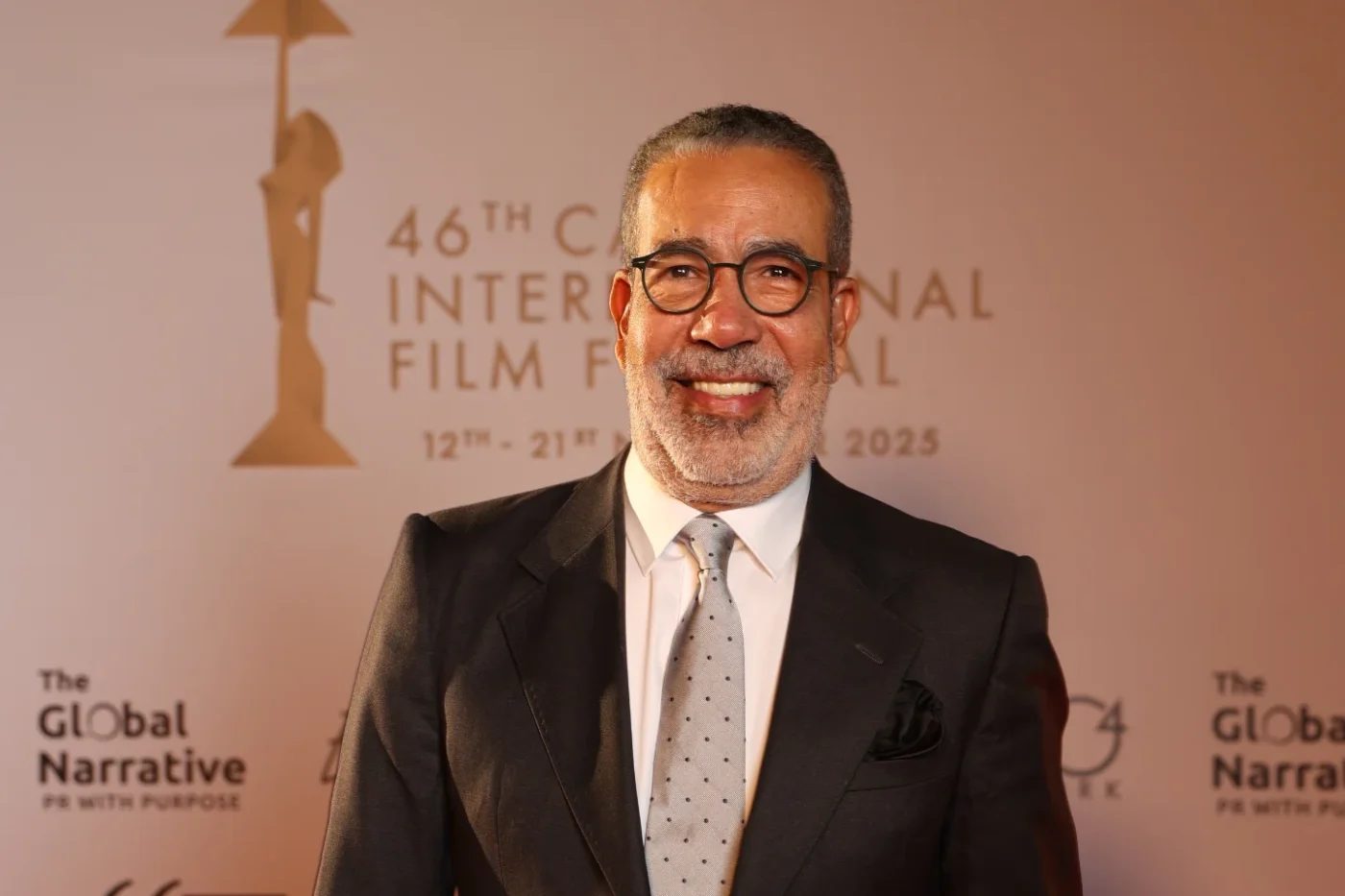
During the 47th edition of the Cairo International Film Festival (CIFF) in 2026, we caught up with Egyptian screenwriter Medhat El Adl following his masterclass, which brought together film lovers, media platforms, and stars including Khaled El Nabawy and Hussein Fahmy.
From looking back at some of his most memorable projects to sharing his advice for aspiring filmmakers, El Adl had plenty to say about the stories that have stayed with him over the years. We asked him about the scenes he holds closest to his heart, the personal experiences behind some of his writing, and his love for bringing literary masterpieces to the screen. Here’s what he shared.
Ice Cream Fe Gleam (1992): When Life Goes On After Loss
For Ice Cream Fe Gleam, El Adl picked the emotional monologue delivered by Ashraf Abdel Baky’s character, Nour, following Zakaria’s death. A deeply personal experience inspired the scene: losing his mother as a teenager.
“I took inspiration from losing my own mother. As an 18-year-old, I thought everything would change, but it didn’t. The world kept spinning, and everything kept going.”
El Adl explained that, at the time, he was surprised to see life carrying on as usual after such a major loss. He channelled that feeling into Nour’s monologue, using the character’s grief to express something he had experienced himself.
Amrica Shika Bika (1993): Seeing a Homeland Through Its People
Looking back at the beloved film Amrica Shika Bika, El Adl chose the scene featuring Mohamed Fouad’s song “Kelmet Watan”. What makes it stand out to him is how it approaches the idea of a homeland through the people who make it feel like home.
“I love how the song represents a homeland as a family through each character, rather than through the military or war.”
Haret El Yahood (2015): A Different Perspective on Faith and Culture
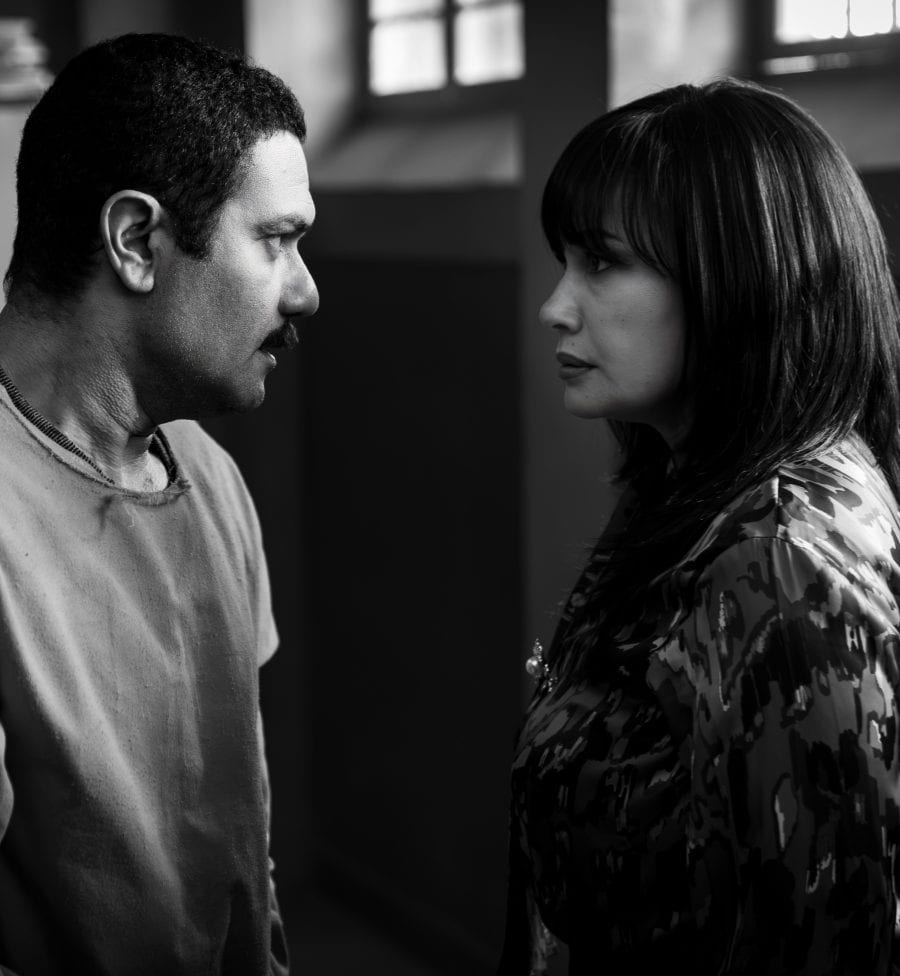
For Haret El Yahood, El Adl’s favourite moment is the scene where Menna Shalaby’s character, Layla, visits a temple believed to have healing powers, where she is told that spending the night there could heal her. Filmed inside Maimonides Synagogue, the scene offered a particularly memorable atmosphere.
“The scene represented the Jewish synagogue through its chants, instruments, and Sufi singing. I really liked the perspective it offered.”
Why Books Are His Ultimate Reference for Storytelling
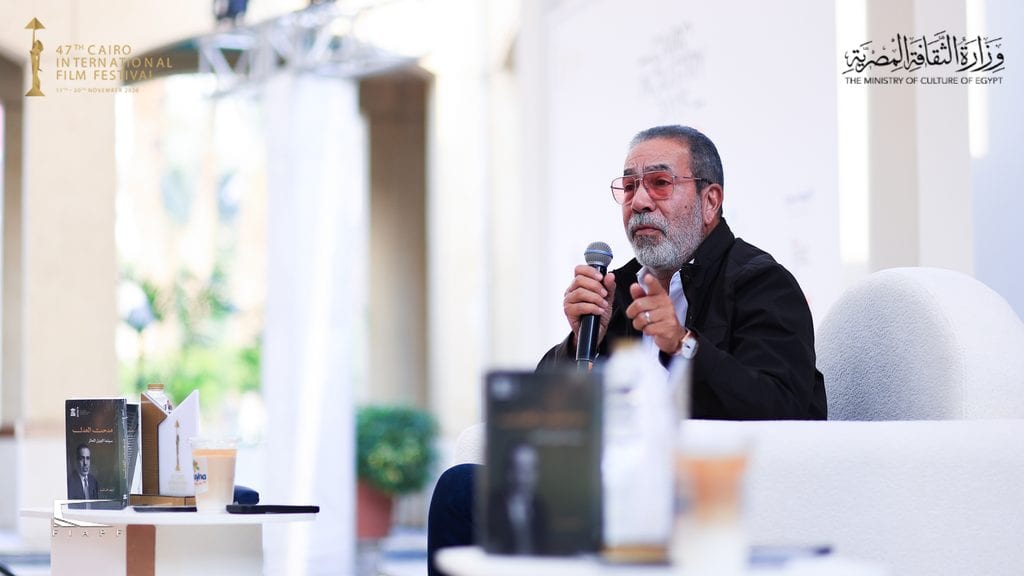
During his masterclass, El Adl also spoke about the important role literature plays in his creative process, describing books as one of the richest sources of inspiration for screenwriting.
“I believe books are the best reference for dramas. If it were possible to turn every novel into a film, I would do that because you have someone who has built an entire world in the form of a book. Turning the words of great minds such as Naguib Mahfouz, Youssef Idris, or Bahaa Taher into dramas adds so much to the audience’s minds.”
His Favourite Adaptation and What’s Next
He also reflected on his own experience adapting literary works, naming Al Shawarea Al Khalfiya, based on Abdelrahman El Sharkawy’s book, as his favourite adaptation.
“It was my favourite because I admire Abdelrahman El Sharkawy.”
And when asked which literary work he would love to bring to the screen next, El Adl didn’t hesitate to mention Naguib Mahfouz’s El Harafeesh.
“I enjoy working on literature. I wish to turn El Harafeesh into a movie, but not just as a story of men fighting. I want to bring its philosophical meaning to life.”
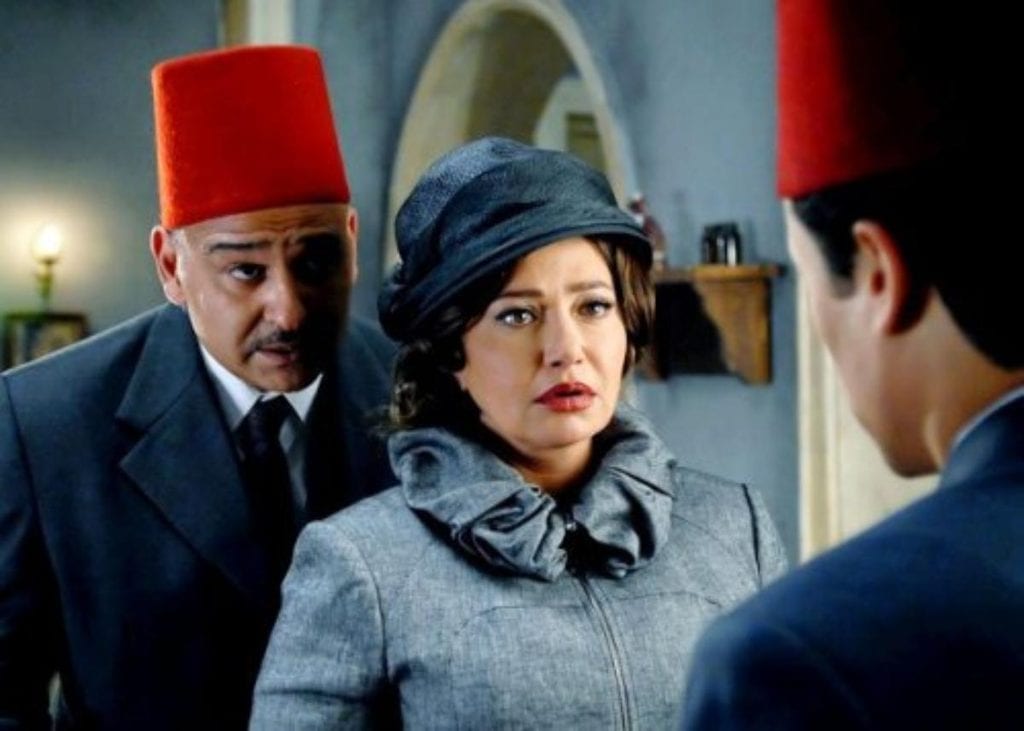
From drawing on personal loss to finding new ways to explore familiar ideas, Medhat El Adl’s favourite scenes offer a glimpse into the thought and experiences behind his storytelling. And with his continued love for literature, he has no shortage of classic stories he’d like to see find new life on screen.